 Our Editorial Team —
How a Gold IRA Works
Understanding the Gold IRA process is essential before making any investment decisions. This guide walks you through each step, from choosing a custodian to securing your precious metals in an IRS-approved depository.
Table of Contents
Step 1: Choose a Gold IRA Company
The first step in opening a Gold IRA is selecting a reputable company to work with. A Gold IRA company typically provides:
- Access to a specialized custodian who can hold precious metals
- Connections to reputable precious metals dealers
- Guidance through the account setup process
- Ongoing customer support and account management
When evaluating companies, consider factors such as fees, customer reviews, years in business, and the range of products offered. Our comparison table can help you evaluate the top options.
Step 2: Open a Self-Directed IRA
Unlike traditional IRAs held at brokerage firms, a Gold IRA requires a self-directed IRA structure. This type of account allows you to invest in alternative assets like precious metals.
Your chosen Gold IRA company will help you complete the necessary paperwork to open your account. You'll need to provide:
- Personal identification information
- Beneficiary designations
- Custodian agreements
The account setup process typically takes a few days to complete.
Step 3: Fund Your Account
Once your account is open, you'll need to fund it. There are several ways to do this:
- Direct Transfer: Move funds directly from an existing IRA to your new Gold IRA. This is the simplest method and avoids any tax implications.
- Rollover: If you have a 401(k) or other employer-sponsored plan, you may be able to roll those funds into a Gold IRA. You typically have 60 days to complete the rollover.
- Contribution: Make new contributions to your Gold IRA, subject to annual IRS limits.
Your Gold IRA company and custodian will guide you through the funding process to ensure everything is handled correctly.
Step 4: Select Your Precious Metals
With your account funded, you can now choose which precious metals to purchase. The IRS has specific requirements for metals held in an IRA:
- Gold: Must be 99.5% pure (with some exceptions for certain coins)
- Silver: Must be 99.9% pure
- Platinum: Must be 99.95% pure
- Palladium: Must be 99.95% pure
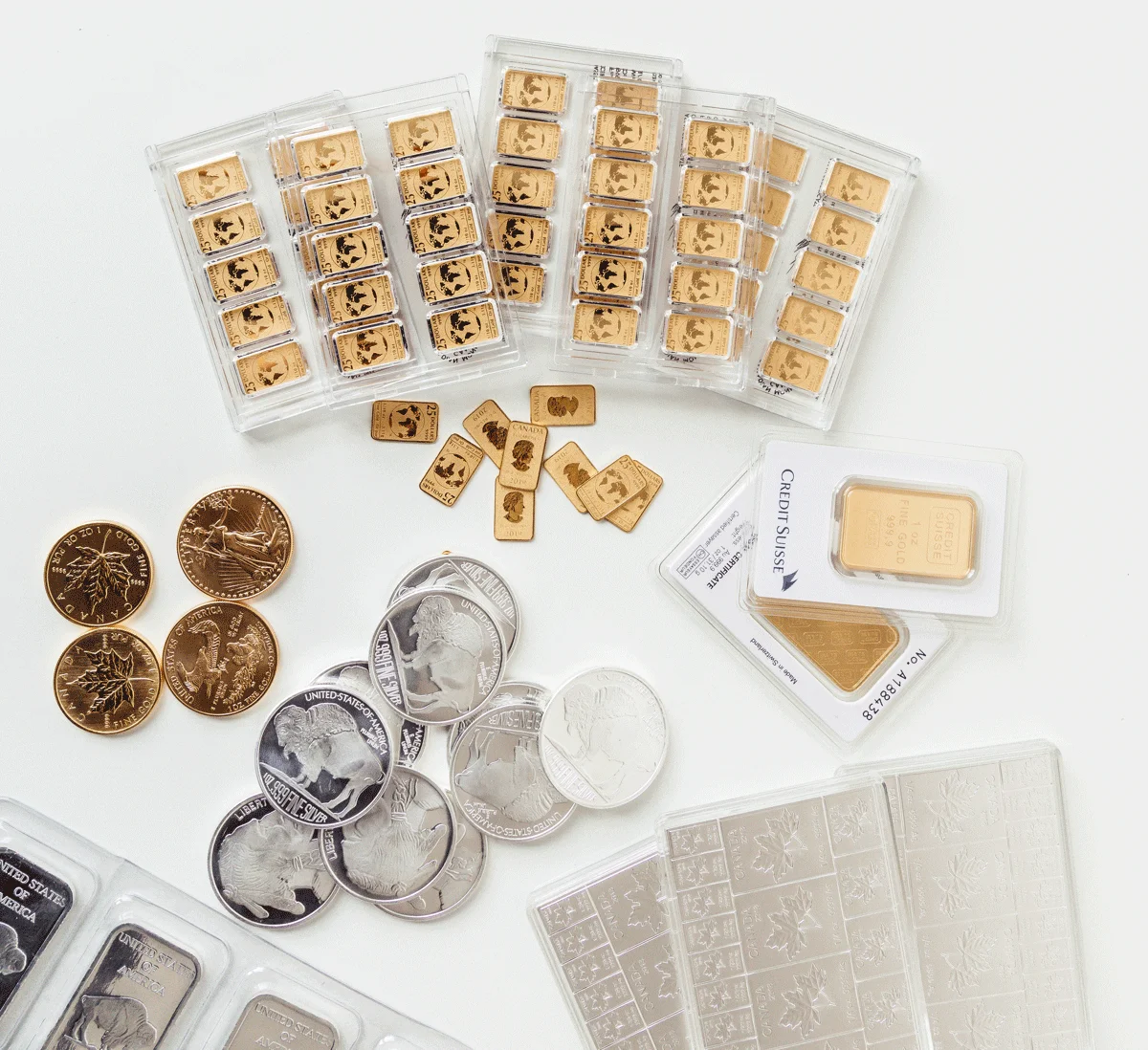
Popular options include American Eagle coins, Canadian Maple Leafs, and various bullion bars from approved refiners. Your Gold IRA company can help you understand which products are eligible.
Step 5: Purchase and Delivery
Once you've selected your metals, your custodian will execute the purchase using your IRA funds. The process works like this:
- You select the products you want to purchase
- The custodian processes the transaction
- The dealer ships the metals directly to the depository
- The depository confirms receipt and updates your account
You'll receive documentation confirming your purchase and the metals held in your account.

Step 6: Secure Storage
IRS rules require that IRA-held precious metals be stored in an approved depository. You cannot store them at home or in a personal safe deposit box.
Approved depositories provide:
- High-security vault storage
- Full insurance coverage
- Regular auditing and reporting
- Segregated or commingled storage options
Many Gold IRA companies work with well-known depositories like the Delaware Depository or Brinks. You'll typically have some choice in where your metals are stored.
Ongoing Management
Once your Gold IRA is established, ongoing management is relatively straightforward:
- Monitor your account through statements from your custodian
- Make additional purchases when you want to add to your holdings
- Rebalance your portfolio as needed
- Take required minimum distributions when you reach the appropriate age
When you're ready to take a distribution, you can receive your metals in kind (physical delivery) or sell them and receive cash. Your custodian will help you understand the tax implications of either option.
Fees to Expect
Gold IRAs typically involve several types of fees:
- Setup Fees: One-time charges to open your account, typically $50-$150
- Annual Custodian Fees: Ongoing account maintenance, typically $75-$300 per year
- Storage Fees: Charged by the depository, typically $100-$300 per year
- Transaction Fees: Charges for buying or selling metals
Be sure to understand all fees before opening an account. Reputable companies are transparent about their fee structures.